
Choosing the right material handling equipment can make or break your operation’s efficiency. You might think it’s just about picking the biggest or fastest machine, but there’s more to it.
What if the equipment you select ends up costing you extra time, money, or even safety? Understanding the key factors behind this choice helps you avoid costly mistakes and boosts your productivity. Keep reading, and you’ll discover exactly what to consider so your investment works hard for you, not against you.
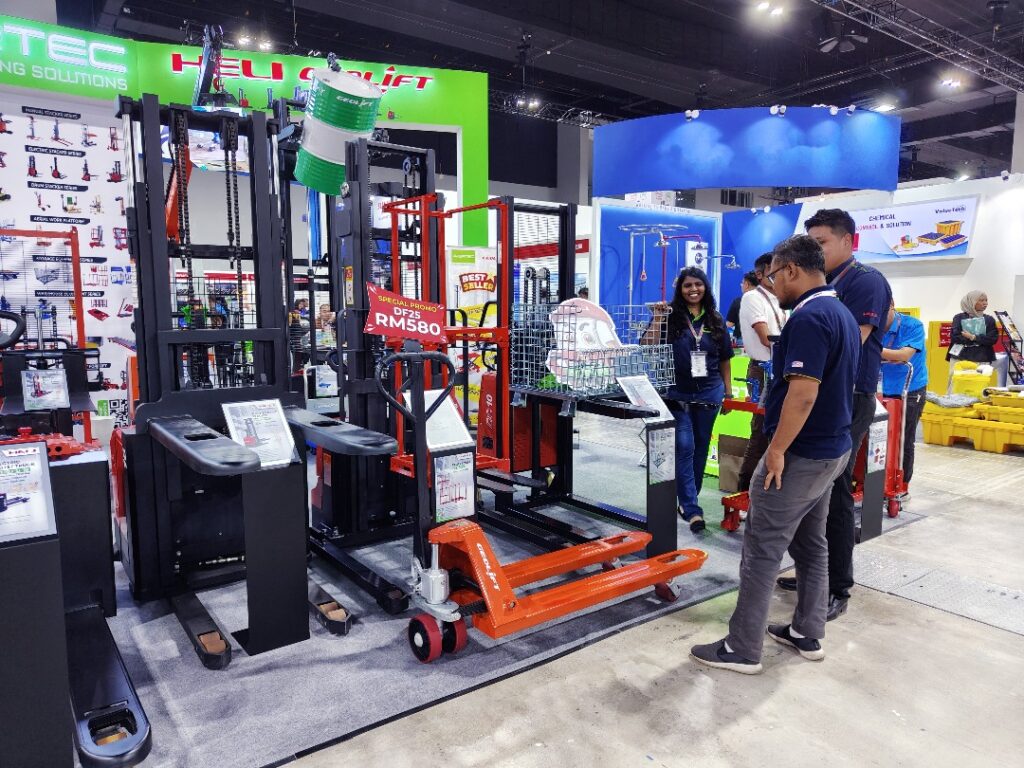
Types Of Material Handling Equipment
Material handling equipment comes in many types. Each type serves a different purpose in moving, storing, or controlling materials. Choosing the right equipment depends on factors like load size, weight, and work environment. Understanding these types helps in selecting the best fit for your needs.
1) Manual Equipment
Manual equipment includes tools operated by hand. Examples are hand trucks, pallet jacks, and dollies. These tools are simple, cost-effective, and ideal for small loads. They require human effort and work well in tight spaces or low-volume tasks.
2) Automated Systems
Automated systems use technology to move materials without human help. Robots, automated guided vehicles (AGVs), and automated storage systems fall in this group. They increase efficiency and reduce errors. These systems suit high-volume or repetitive tasks.
3) Industrial Trucks
Industrial trucks are motorized machines for heavy loads. Forklifts, reach trucks, and pallet trucks are common examples. They handle large weights and improve productivity. Operators need training to use these trucks safely.
4) Conveyors And Sorters
Conveyors are belts or rollers that move goods continuously. Sorters separate items based on size, weight, or destination. These systems work well in warehouses and production lines. They speed up material flow and reduce manual handling.
Load Characteristics
Load characteristics play a key role in choosing the right material handling equipment. Understanding these traits helps ensure safety and efficiency in moving goods. Different loads require different handling methods to avoid damage and improve workflow.
1) Weight And Size
The weight of a load affects the type of equipment needed. Heavy loads require machines with strong lifting power. Size matters too. Large items need equipment that can handle wide or tall objects safely.
2) Shape And Fragility
Irregular shapes can be hard to handle. Equipment must adapt to unique contours. Fragile items need gentle handling to prevent breaks. Soft padding or special grips might be necessary.
3) Temperature And Condition
Some loads are hot or cold. This affects equipment choice. Heat-resistant machines protect workers and goods. Wet or oily conditions require slip-resistant tools. Cleanliness and rust resistance also matter.
Operational Environment
The operational environment plays a key role in selecting material handling equipment. It affects the equipment’s durability, safety, and efficiency. Choosing the right equipment requires understanding where and how it will be used. Different environments demand different features and designs.
1) Indoor Vs Outdoor Use
Equipment for indoor use often focuses on compact size and maneuverability. It must fit through narrow aisles and doorways. Indoor machines usually face less harsh weather but need to handle smooth floors.
Outdoor equipment must withstand weather, dirt, and uneven surfaces. It needs strong tires and weather-resistant parts. Machines for outdoor use often have higher ground clearance and better traction.
2) Space Constraints
Space limits affect the type and size of equipment chosen. Tight spaces require smaller, more agile machines. Large, open areas allow bigger and faster equipment.
Consider turning radius and height clearance. Equipment that fits well reduces accidents and improves workflow. Proper sizing helps workers operate safely and efficiently.
3) Flooring And Surface Types
The type of floor or surface affects equipment choice. Smooth concrete floors allow standard wheels or tires. Rough or uneven surfaces need special tires or tracks.
Wet or slippery floors require anti-slip features. Soft ground may need wider tires to avoid sinking. Matching equipment to the surface improves stability and safety.

Safety Requirements
Safety is a key factor when choosing material handling equipment. It protects workers and prevents accidents. The right equipment helps create a safer work environment. Companies must consider safety needs carefully. This ensures smooth and secure operations.
1) Worker Protection
Equipment must keep workers safe from injuries. Guards and barriers stop contact with moving parts. Controls should be easy to reach and use. Clear signs and warnings help prevent mistakes. Comfort features reduce strain and fatigue. This lowers the risk of accidents during work.
2) Equipment Stability
Stable equipment prevents tipping and falling hazards. The base must be strong and wide enough. Load limits should never be exceeded. Anti-slip surfaces increase grip and control. Proper balance helps avoid sudden movements. Stability is crucial for safe lifting and moving.
3) Regulatory Compliance
Equipment must meet safety laws and standards. These rules protect workers and workplaces. Regular inspections verify compliance and condition. Labels and manuals provide safety information. Following regulations avoids fines and shutdowns. Compliance shows a commitment to worker safety.
Cost Considerations
Cost is a key factor when choosing material handling equipment. It affects budget and long-term savings. Careful cost study helps avoid extra expenses later. Understanding all cost parts leads to a smart purchase.
1) Initial Investment
Initial investment means the purchase price of the equipment. It includes the cost of the machine and any setup fees. Choosing cheaper equipment might save money upfront but can cause problems later. High-quality machines may cost more but last longer. Balance price with quality to get the best value.
2) Maintenance Expenses
Maintenance expenses cover repairs and regular servicing. Well-maintained equipment works better and lasts longer. Some machines need frequent checks and parts replacement. These costs add up over time. Choose equipment that is easy and cheap to maintain. This reduces downtime and keeps work smooth.
3) Energy Efficiency
Energy efficiency reduces power use and lowers bills. Machines that use less energy save money every day. This is important for equipment used for many hours. Energy-efficient equipment also helps the environment. Consider energy ratings and features before buying.
Integration And Compatibility
Integration and compatibility play a key role in selecting material handling equipment. The new equipment must work smoothly with existing setups. This avoids disruptions and saves time. Choosing compatible equipment helps maintain steady operations and reduces extra costs. It also simplifies training and maintenance.
1) Existing Systems
New equipment should fit well with current machines and tools. This reduces the need for major changes. Compatibility with existing systems ensures smooth data flow and communication. It helps keep the workflow steady without delays or errors. Checking the equipment’s ability to connect with current systems is vital.
2) Scalability
Equipment should support future growth and changes. Scalable systems allow adding or upgrading parts easily. This saves money and effort in the long run. It also helps the business adapt quickly to new demands. Choosing scalable equipment means fewer replacements and less downtime.
3) Technology Compatibility
The equipment must work with the technology used in the warehouse. This includes software, sensors, and automation tools. Compatible technology ensures accurate data tracking and control. It improves efficiency and reduces mistakes. Confirming technology compatibility avoids costly integration problems later.
Ergonomics And User Friendliness
Ergonomics and user friendliness play a key role in choosing material handling equipment. Equipment that fits well with the user’s needs helps improve safety and productivity. It reduces the chance of injury and makes daily tasks easier. Good design supports workers by matching their physical capabilities.
Simple controls and clear displays make equipment easier to use. Comfortable grips and adjustable parts reduce strain. These features help workers stay focused and work faster. Ergonomic equipment also lowers the risk of accidents caused by fatigue or poor handling.
1) Ease Of Operation
Equipment should be simple to start and control. Clear buttons and levers avoid confusion. Operators can work confidently without constant help. Easy operation saves time and cuts errors. It suits workers with different skill levels.
2) Reducing Worker Fatigue
Fatigue slows work and increases mistakes. Ergonomic design lowers physical strain. Padded handles and adjustable heights help keep workers comfortable. Less tired workers stay alert and safe. This boosts overall workplace efficiency.
3) Training Requirements
Equipment that is user friendly needs less training. Shorter learning times reduce downtime. New workers can become productive faster. Simple instructions and intuitive use make training smoother. This saves money and resources for the company.
Future Growth And Flexibility
Future growth and flexibility are key when choosing material handling equipment. Businesses evolve, and their needs shift over time. Equipment must support these changes to avoid costly replacements. Planning for growth ensures smooth operations and saves money. Flexible equipment adapts to new tasks and layouts easily. This section covers two main points: adaptability to changing needs and expansion potential.
1) Adaptability To Changing Needs
Equipment that adapts well handles different products or volumes. It suits various tasks without major modifications. Adjustable features help meet fluctuating demand and new processes. This reduces downtime and increases productivity. Choosing versatile equipment prepares a business for future changes.
2) Expansion Potential
Equipment with expansion potential supports business growth. It fits larger spaces or additional workstations. Modular designs allow adding parts or units as needed. This means less disruption and lower costs during growth. Investing in expandable equipment helps keep operations efficient over time.
Conclusion
Choosing the right material handling equipment matters a lot. It saves time, cuts costs, and improves safety. Factors like load type, work environment, and budget guide your choice. Think about space and ease of use too. The best equipment fits your specific needs well.
Careful selection leads to smoother operations and less downtime. Keep these points in mind for smart decisions. This helps your business run better every day.